
Dreaming of a Backyard Oasis? Let’s Build Your Own Pond!
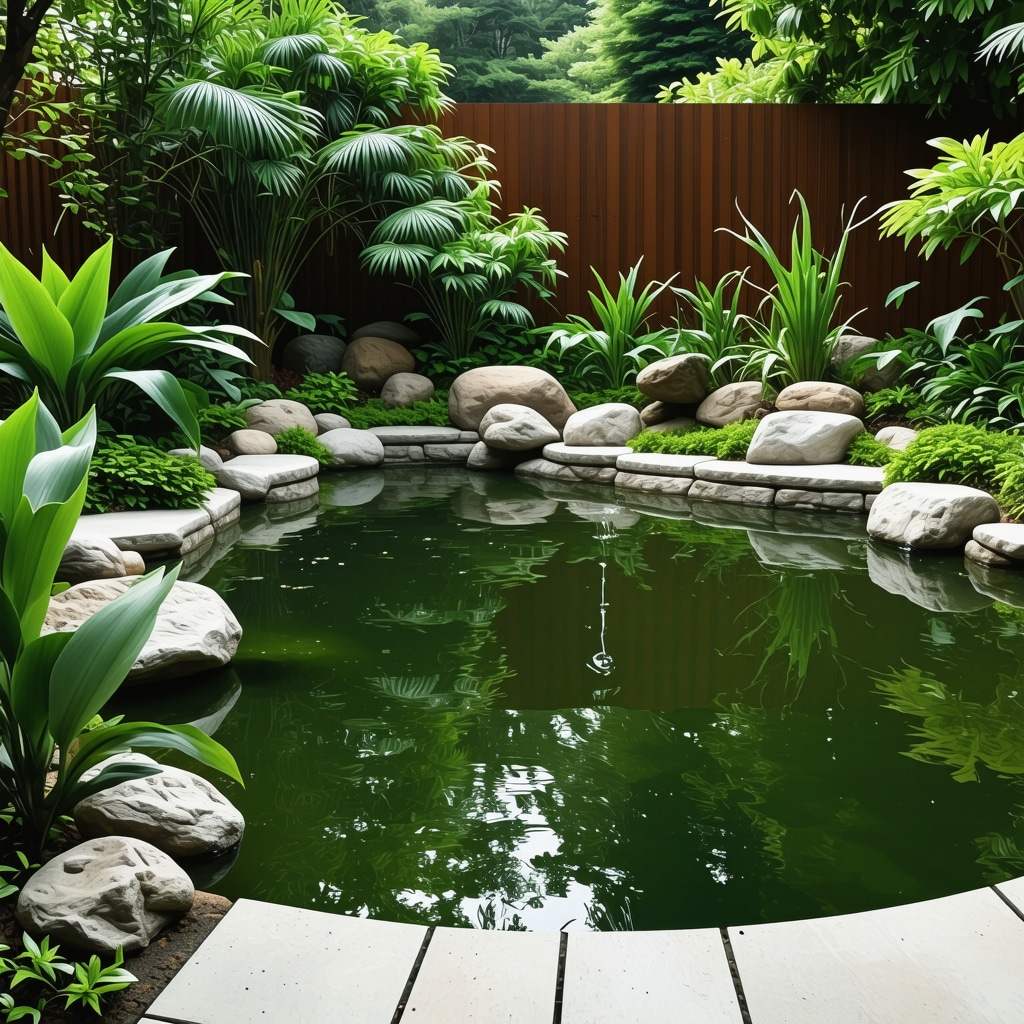
Imagine this: a tranquil, sparkling body of water in your own backyard, where colorful fish glide gracefully beneath the surface and the gentle rustle of leaves harmonizes with the soft lapping of water. Sounds magical, right? Building a garden pond might seem like a huge undertaking, especially if you’re a beginner, but don’t worry! I’m here to guide you through every practical step to transform your yard into a peaceful, natural haven.
Finding the Perfect Spot: Where Sun and Water Become Best Friends
Before you even think about digging, let’s pick the ideal location for your future pond. You want a spot that gets plenty of sunlight – about four to six hours daily is perfect – but not so much that the water overheats and encourages algae. Also, try to steer clear of areas directly under large trees. Falling leaves can clog your pond’s filtration system and disrupt its delicate ecosystem, leading to more maintenance headaches.
Choosing the Right Size and Shape for Your Garden Pond
Don’t be afraid to get creative! Backyard ponds come in all shapes and sizes, adapting to the space you have available. For first-timers, a medium-sized pond, roughly 60-80 cm (24-32 inches) deep, is a great starting point. This depth provides enough room for fish to thrive and helps keep the water temperature stable, even during scorching summer days.
Ready to Dive into Your Pond-Building Adventure?
Creating your own pond isn’t just a technical task; it’s an art form and a wonderful way to reconnect with nature. If you’re ready to invest a little time and love into this project, you’ll be rewarded with a garden feature that brings a smile to your face every single day. For more inspiration on transforming your outdoor space, explore these creative backyard ideas.
Building Your Water Paradise: From a Simple Hole to a Thriving Ecosystem
The simplest and most effective way to prevent water leakage is by using specialized pond liners. Beyond the liner, you’ll need to focus on installing a proper filtration system and pumps. These are absolutely crucial for keeping the water clear, healthy, and safe for your fish. Getting these technical details right from the start is key to the long-term success and enjoyment of your backyard pond.
For in-depth advice on maintaining a natural balance in your pond, the U.S. Environmental Protection Agency (EPA) offers excellent recommendations on managing urban water resources and filtration.
Picking Your First Fish: Friendly Faces for Your New Pond
When it comes to stocking your new backyard pond, goldfish or koi are often the go-to choices for beginners. They’re hardy, adaptable, and beautiful to watch. However, remember that fish require regular care and monitoring of water quality. This becomes a rewarding part of your new pond-owner routine!
Curious about other fun DIY projects for your home? Check out simple DIY home projects and let your creativity flow!
Your Dream Pond is Waiting – What Are You Waiting For?
Every great journey starts with a single step, and building your backyard pond is just the beginning of a beautiful transformation. Share your experiences or questions in the comments below – together, we can find the best path to your perfect garden oasis! After all, don’t you deserve a little piece of paradise in your own backyard?
Maintaining Harmony: Keeping Your Pond Ecosystem Healthy
Once your beautiful backyard pond is built, the next exciting challenge is maintaining it properly. The secret to a long-lasting, healthy pond lies in balancing natural processes with a few technical aids. Regularly checking water quality, managing algae growth, and feeding your fish appropriately are essential steps. Integrating aquatic plants like water lilies and reeds can also act as natural filters, helping to keep the water clean and reduce unwanted algae.
It’s fascinating to learn how microorganisms and plant life in your pond work together to maintain its ecosystem. It’s generally best to avoid harsh chemical treatments, as they can disrupt this delicate natural balance and harm your fish. Instead, focus on natural methods and products to enhance water quality.
Seasonal Care: Protecting Your Pond Through the Year
Your backyard pond is a living ecosystem that changes with the seasons. Colder months, in particular, require special attention. To prevent the water from freezing solid, you might use a pond heater or place floating objects that stop a thick layer of ice from forming. Also, remember to reduce fish feeding during winter, as their metabolism slows down significantly.
Preparing your pond for winter also involves clearing leaves and debris from the surface and checking your filters. Ensuring good water circulation is vital to provide oxygen for fish and other aquatic life throughout the colder months.
Avoiding Common Pond Maintenance Pitfalls for Beginners
One of the most frequent mistakes new pond owners make is overfeeding their fish. Excess food can rot at the bottom, leading to poor water quality. Similarly, inadequate water circulation can cause harmful substances to build up. A little education and diligent monitoring of your pond’s condition will help you steer clear of these and other common issues.
For further resources on pond management and ecology, the U.S. Environmental Protection Agency (EPA) provides detailed guides on sustainable urban water management.
Adding Your Personal Touch: Decorating for Beauty and Biodiversity
Your pond can be more than just a water feature; it can be the aesthetic heart of your garden. Incorporating natural elements like decorative stones, artfully placed wooden features, and a variety of aquatic plants not only enhances its visual appeal but also boosts biological diversity. You can even attract charming small amphibians like frogs and various beneficial insects by creating natural shelters and nesting spots around the pond.
This holistic approach not only increases the value and beauty of your garden but also supports the local ecosystem. If you love creative projects, you might also want to explore diverse backyard landscaping ideas for even more inspiration.
Smart Pond Systems: Technology Lending a Hand to Nature
In today’s world, technology can significantly simplify pond maintenance. Smart sensors that monitor water quality, automated fish feeders, and programmable pumps can help your pond run smoothly and efficiently, often without requiring daily manual intervention from you.
These innovations are especially beneficial for those who want to enjoy the beauty of a pond but might not have a lot of time for regular upkeep. Investing in such smart systems can truly pay off in the long run.
For those looking to expand their knowledge of various DIY projects, simple DIY home projects can be a source of additional inspiration.
What Are Your Next Steps Toward a Perfect Backyard Pond?
Have you thought about how to enhance your pond with new plant species or an automated maintenance system? Could smart sensors and eco-friendly approaches combine to provide the most efficient care for your pond? These questions lead us into a deeper discussion about how technology and nature can beautifully coexist in your garden.
We encourage you to share your ideas, questions, or experiences in the comments below. Your engagement helps our community find the best practices for enjoying and maintaining a healthy home pond. Also, don’t miss reading about how to make a homemade toy for more creative fun around your home!
Nature Meets Tech: The Synergy for Perfect Pond Maintenance
Advanced pond maintenance today thrives on a blend of natural methods and modern technological advancements. While aquatic plants and microorganisms form the backbone of biological balance, technology offers precise control over parameters that ensure optimal living conditions for fish and plants. Understanding this interaction is crucial for the long-term success of your home pond.
Managing water quality is one of the most challenging aspects of pond care. Smart sensors that measure pH levels, oxygen saturation, and water temperature in real-time can help you react promptly to changes that might threaten the ecosystem. These systems often come with apps that send alerts directly to your mobile device, making control easier and reducing the risk of errors.
How Smart Pond Sensors Boost Ecological Balance
Beyond standard measures, smart sensors enable continuous monitoring and automatic regulation of factors directly impacting pond health. For instance, automatically adjusting water flow through filters or activating aerators when oxygen levels drop can save fish from stress and disease. Such technology reduces the need for chemical treatments and actively supports the natural processes within the water.
According to research published in the Journal of Aquatic Ecosystem Health, applying automated monitoring systems significantly improves microbiome stability in ponds, which is vital for preventing algal blooms and fish diseases (Source). Despite the technological advantages, never forget the importance of natural elements like water plants and stones that create habitats for beneficial microorganisms. The combination of these factors creates a true balance between innovation and nature.
Pro Tips: Preventing and Solving Algae & Water Quality Issues
Algae is a common challenge for pond owners. Its excessive growth can lead to cloudy water, reduced oxygen, and compromised fish health. The key is prevention, which includes proper filtration, balanced feeding, and integrating plants that naturally suppress algae growth.
One effective method is to introduce floating plants like water lilies or frogbit. They shade the water’s surface, reducing sunlight penetration and thus limiting algae’s photosynthesis. Regular removal of organic debris and leaves also prevents the buildup of nutrients that algae thrive on.
Your Natural Allies Against Pond Algae
Besides plants, certain aquatic insects and microorganisms that feed on algae can be incredibly helpful. Introducing these biological controllers can be part of an integrated maintenance strategy that minimizes the use of chemical treatments. Occasionally using ultraviolet (UV) sterilizers can also help control algal spores without harming beneficial pond organisms.
It’s important for pond owners to regularly monitor water conditions and adapt maintenance measures to seasonal changes, as these are periods when fluctuations are most pronounced.
Level Up Your Garden: Integrating Smart Systems & Nature in Symbiosis
For those seeking maximum control with minimal effort, implementing automatic feeding systems and automated water flow management can be a game-changer. These systems allow for precise food dosage, preventing overfeeding and reducing water pollution.
Combined with smart sensors and natural plant filters, your pond can become an exemplary balanced, self-sustaining ecosystem. Such an approach not only saves time but also contributes to environmental conservation.
Want to learn more about the latest tech solutions and natural practices for pond maintenance? Join our community in the comments or visit our detailed guide on advanced pond maintenance and start your journey to a perfect water landscape today!
The Future of Home Pond Care: A Perfect Blend of Nature & Technology
As technology advances, smart pond management systems are becoming increasingly accessible and sophisticated. These systems not only automate basic tasks but also enable detailed monitoring of ecological conditions and timely intervention. Integrating these technologies with the natural elements of your pond creates a perfect synergy that contributes to the longevity and health of your aquatic ecosystem.
Advanced Biomonitoring: Precisely Tracking Your Pond’s Health
Utilizing advanced sensors that measure parameters like pH, oxygen levels, water temperature, and turbidity provides pond owners with precise real-time data. This information can be tracked via mobile apps, allowing for quick reactions to any changes. Such an approach significantly reduces the risk of diseases and ecosystem imbalances.
Top Tech Innovations for Preventing Algal Blooms
One of the most persistent challenges in pond maintenance is algae control. Smart ultraviolet (UV) sterilizers, combined with automated water flow regulation and aeration systems, create an effective barrier against excessive algae growth. These methods reduce the reliance on chemical treatments, thereby protecting the natural biodiversity within the pond.
A study published in the Journal of Aquatic Ecosystem Health indicates that automated systems for water quality monitoring and management significantly improve microbiome stability and reduce the incidence of algal blooms (Source). Despite technological advantages, remember the vital role of natural elements such as aquatic plants and stones, which create habitats for beneficial microorganisms.
Nature’s Helpers: Maintaining Ecological Balance in Your Pond
Beyond technology, we must not overlook the importance of natural elements. Aquatic plants like water lilies, reeds, and frogbit not only add aesthetic value but also act as natural filters, reducing nutrient levels that fuel algae growth. Additionally, specific species of aquatic insects and microorganisms play a crucial role in the pond’s biodiversity and overall health.
Adapting Pond Maintenance to Seasonal Changes
Seasonal variations demand tailored approaches. During warmer months, the focus is on algae control and maintaining oxygen levels. In winter, ensuring the water doesn’t completely freeze and that fish receive adequate oxygen is paramount. Smart sensor-equipped systems provide invaluable support during these challenges, enabling optimal care year-round.
Join Our Community: Share Your Pond Experiences!
Have you already incorporated smart technologies into your pond maintenance, or do you have natural tricks that have worked wonders for you? Your experiences and questions are incredibly valuable to fellow enthusiasts. We invite you to share your insights in the comments below and collectively contribute to the growth of this vibrant community. Also, if you’re looking to explore other creative DIY home projects, you’re sure to find inspiration for new challenges!
Expert Insights & Advanced Recommendations for Your Pond
Integrating Smart Technology for Precise Pond Management
Combining natural methods with smart sensors allows for continuous monitoring of water parameters like pH, oxygen levels, and temperature. This significantly reduces the risk of diseases and unsightly algal blooms. Automated aeration and filtration systems can adapt in real-time, maintaining an optimal environment for your fish and plants.
Biological Diversity: The Key to Long-Term Pond Stability
Introducing a diverse range of aquatic plants and beneficial microorganisms not only enhances your pond’s aesthetic appeal but also contributes to natural filtration and algae control. Such a vibrant ecosystem is more resilient to environmental fluctuations and requires fewer chemical interventions, making it a truly sustainable approach for home ponds.
Adapting to Seasonal Changes for Ecosystem Preservation
Seasonal variations demand specific attention, such as reduced feeding for fish in winter or protection against water freezing. Smart sensor systems simplify these adaptations, providing crucial information and automated functions that protect your pond throughout the entire year.
Preventing and Resolving Algae Issues with Integrated Strategies
Effective algae control involves a combination of proper filtration, introducing floating plants to limit sunlight, and utilizing biological controllers like certain insects. Occasional use of UV sterilizers further helps maintain water clarity without the need for harmful chemicals.
Technological Innovation Supporting Pond Sustainability
Investing in automatic feeding systems, water flow regulation, and quality monitoring significantly reduces manual labor and the risk of errors. These technologies are becoming increasingly accessible, making home pond maintenance a more efficient and enjoyable experience.
Recommended Expert Sources
U.S. Environmental Protection Agency (EPA) – Provides detailed guides on managing urban water resources and natural filtration methods, offering valuable information for ecologically sound pond maintenance.
Journal of Aquatic Ecosystem Health – Features scientific papers on automated systems for water quality monitoring and management, focusing on preventing algal blooms and preserving pond microbiomes.
Creative Backyard Projects on KakoNapraviti.net – Offers inspiring DIY projects and techniques to enhance both the aesthetic and functional aspects of your pond and garden.
Guides to Smart Technologies in Pond Maintenance – Expert advice on implementing sensors, automated pumps, and feeding systems to simplify daily pond care.
Manuals for Biological Algae Control and Biodiversity Maintenance – Recommendations for introducing natural allies and plants that contribute to the ecological balance in home ponds.
Final Expert View: Your Thriving Backyard Pond
Today, a home pond is far more than just an aesthetic garden feature; it’s a sophisticated ecosystem where nature and technology harmoniously coexist. Understanding and applying advanced maintenance methods, from smart sensors to fostering rich biological diversity, are crucial for the long-term stability and health of your pond. Successful pond management requires careful attention, yet an innovative approach can save both time and resources. I invite you to share your experiences and questions in the comments, and to explore additional creative ideas and technical tips on KakoNapraviti.net. Invest in your pond, and enjoy the profound harmony that true knowledge and dedication can bring.